Short answer
In India a living kidney donor must be an adult, usually a close relative such as a parent, spouse, brother, sister, child or grandparent. Other donors need approval from an Authorisation Committee, and buying or selling a kidney is illegal. Every donor has blood, urine, imaging and heart tests to make sure donating is safe for them.
A kidney transplant gives a person with kidney failure a far better life than dialysis, and the most common source of a kidney in India is a living family member. If someone in your family has been told they need a kidney transplant, this guide explains who can donate, how the approval works and what the donor goes through. Dr. Aditya P.S. Sengar is Head of Renal Transplantation at Precision Urology Hospital, Lucknow, and has been part of more than 500 kidney transplants.
Who is allowed to donate a kidney in India
Living donation in India follows the Transplantation of Human Organs and Tissues Act (THOTA), 1994, as amended in 2011, and the 2014 Rules. The main points are:
- The donor must be an adult (18 years or older) and must agree freely, without pressure.
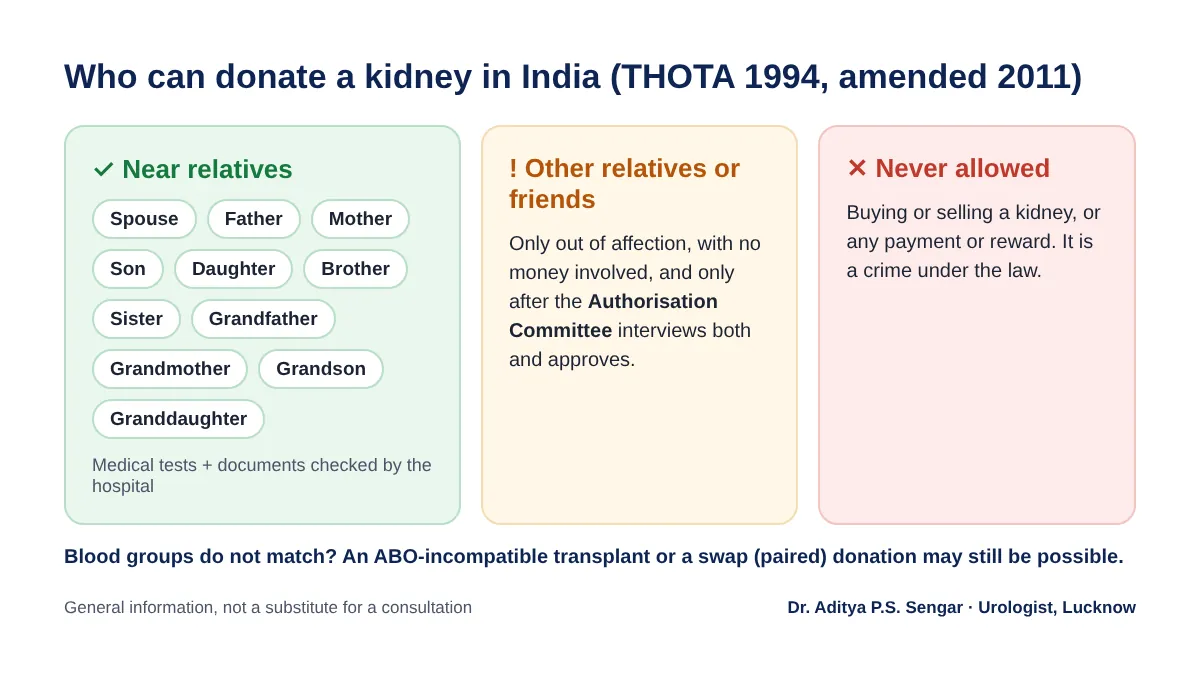
- Near relatives can donate. The law lists spouse, father, mother, son, daughter, brother, sister, grandfather, grandmother, grandson and granddaughter.
- Other relatives or friends can donate only out of affection, and only after an Authorisation Committee approves it. The committee checks that no money or reward is involved.
- Swap (paired) donation is allowed. If your relative's blood group does not match you, two families can exchange donors with approval.
- Buying or selling a kidney is a crime. Any offer of payment should be refused and reported.
If no living donor is available, the patient can be registered on the state waiting list for a deceased donor kidney, through the transplant hospital.
The approval process
Before surgery, the transplant team prepares a file for the Authorisation Committee. It usually includes:
- Identity and address proof for the donor and the patient.
- Proof of the relationship, such as a marriage certificate, birth certificates or family documents. A DNA test may be asked for when papers are not enough.
- Photographs and a signed consent form from the donor.
- A personal interview of the donor and the patient, often with family members, so the committee is sure the decision is voluntary.
The hospital team guides the family through each document, so there is no need to arrange this alone.
Tests a kidney donor needs
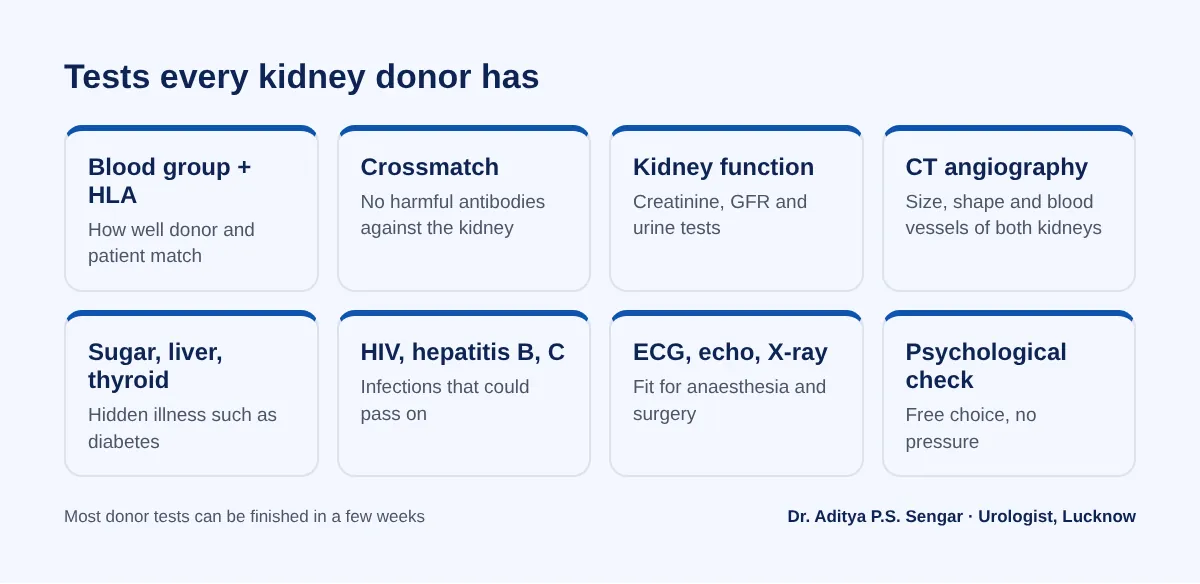
Donating is only allowed if it is safe for the donor. The donor work-up checks both kidneys and the donor's general health:
| Test | What it checks |
|---|---|
| Blood group and HLA typing | How well the donor matches the patient |
| Crossmatch | Whether the patient's blood has antibodies against the donor's kidney |
| Kidney function (creatinine, GFR), urine tests | That both kidneys work well |
| Ultrasound and CT angiography of the kidneys | Size, shape, blood vessels and which kidney to remove |
| Blood sugar, cholesterol, thyroid, liver tests | Hidden diabetes or other illness |
| HIV, hepatitis B and C | Infections that could pass to the patient |
| ECG, echocardiogram, chest X-ray | Fitness for anaesthesia and surgery |
| Psychological assessment | That the donor understands the decision and is not under pressure |
Most donor tests can be finished in a few weeks.
Who usually cannot donate
A person may not be accepted as a donor if they have:
- Diabetes, or high blood pressure that is hard to control
- Kidney disease, repeated kidney stones in both kidneys, or protein in the urine
- Cancer, or a serious heart, lung or liver illness
- An active infection such as HIV or hepatitis
- Severe obesity, or pregnancy at the time
A blood group mismatch does not always rule a donor out. ABO-incompatible transplants are possible with extra treatment before surgery, and swap donation is another route.
The operation and recovery for the donor
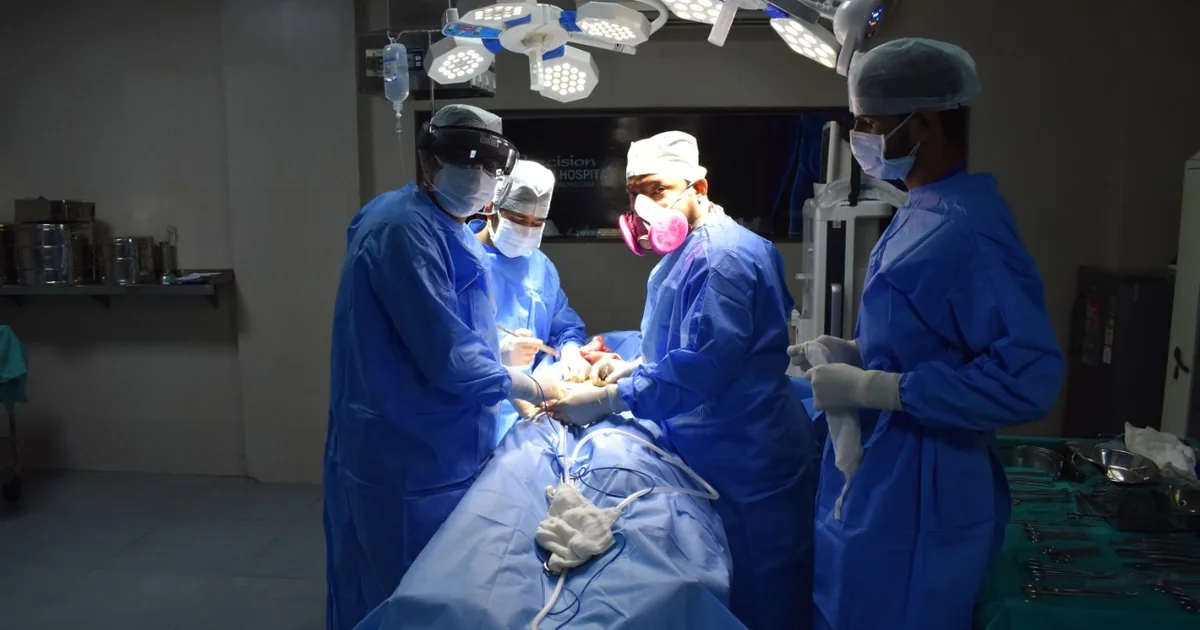
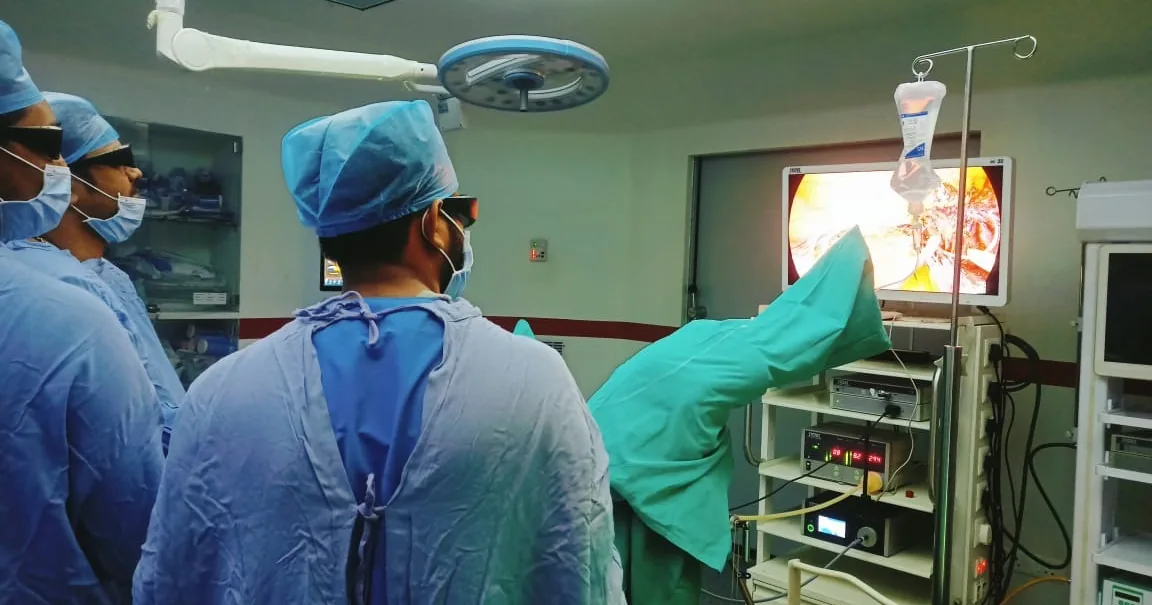
The donor's kidney is removed by keyhole (laparoscopic) surgery in most cases, through a few small cuts, so pain is less and recovery is quicker than open surgery. Read more about laparoscopic surgery.
- Most donors walk the same day or the next day and go home in about 3 to 5 days.
- Desk work can usually start again in 2 to 4 weeks. Heavy lifting waits for about 6 weeks.
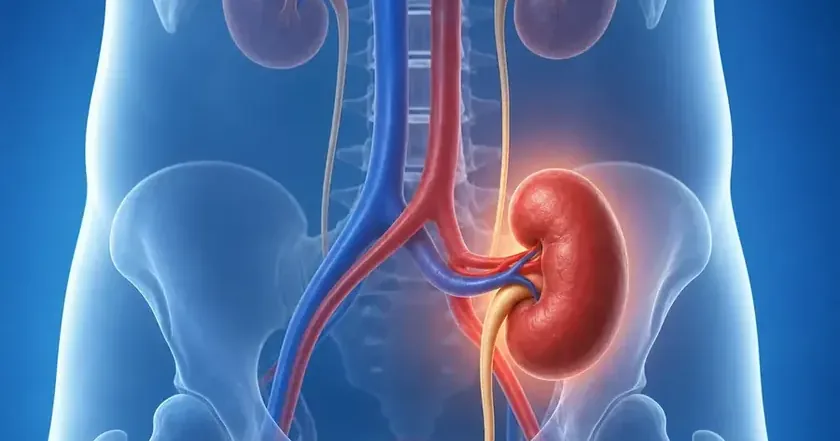
- The remaining kidney grows slightly and takes over most of the work.
Life with one kidney
Most people with one healthy kidney live a normal, full life. Donors can work, travel, exercise, marry and have children. The donor should:
- Have a yearly check of blood pressure, urine and blood creatinine
- Keep a healthy weight, avoid tobacco and keep blood pressure and sugar in check
- Avoid regular use of painkillers such as diclofenac or ibuprofen unless a doctor advises them
Frequently asked questions
Can a wife donate a kidney to her husband in India?
Yes. A spouse is a near relative under the law, so a wife can donate to her husband and a husband to his wife, after the usual medical tests and document checks.
Can a friend donate a kidney?
A friend can donate only out of affection, with no money involved, and only after approval from the Authorisation Committee. The committee interviews both people before it decides.
What is the age limit for a kidney donor?
The donor must be at least 18. There is no fixed upper age, but older donors need especially careful checks of their kidneys, heart and blood pressure.
Does the donor's blood group have to match?
A matching or compatible blood group is easiest. If the groups do not match, an ABO-incompatible transplant or a swap donation with another family may still be possible.
How long does a kidney donor stay in hospital?
Most donors stay about 3 to 5 days after keyhole surgery and return to light work within a few weeks.
Diagnosis and treatment: Kidney transplant in Lucknow · Send your report on WhatsApp for a free opinion
What to eat: free diet planner for kidney stones, prostate, urine infections and transplant
This guide gives general information and does not replace a consultation. In an emergency, go to the nearest hospital.
Book a consultation with Dr. Aditya P.S. Sengar
OPD Mon to Sat, 12:00 PM to 6:00 PM at Precision Urology Hospital. Book on WhatsApp and the team will confirm your time.
Send your report on WhatsApp for a free opinionPrecision Urology Hospital, 652B/37 Pratap Nagar, Tedhi Pulia Ring Road, Lucknow 226022. Get directions