IPSS and History Review
Frequency, urgency, nocturia, weak stream, straining, incomplete emptying, and quality-of-life impact are reviewed before choosing treatment.

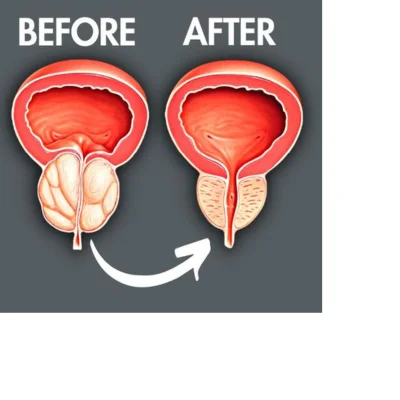
Evaluation and treatment planning for benign prostate enlargement, weak urine stream, frequent urination, nocturia, urinary retention, TURP, laser prostate surgery, and follow-up care.
Prostate enlargement, also known as benign prostatic hyperplasia (BPH) is a
common
condition in men with higher age. This situation arises when the prostate gland
situated below the bladder and surrounds the urethra, get enlarge. This is a
common
condition in aging men. This enlargment compresses the urethra.
BPH is believed to be related to hormonal changes associated with aging. When the
levels of testosterone and dihydrotestosterone (DHT) changes in men with age
and
leads to Prostate enlargement. While BPH is generally not a serious condition but
sometimes effects the quality of life in mens.
The signs and symptoms of prostate enlargement, or benign prostatic hyperplasia (BPH), develops with age among different individuals.Some common signs and symptoms include:
It's important to note that while these symptoms are common in BPH, they can also be indicative of other medical conditions such as urinary tract infections, urinary stones, or prostate cancer. If you are experiencing any of these symptoms, it's essential to consult Dr. Aditya P.S Sengar best urologist in lucknow for Prostate Enlargement treatment.
The exact cause of prostate enlargement, also known as benign prostatic hyperplasia (BPH), is not fully understood, but it is believed to be related to hormonal changes and aging. Several factors may contribute to the development of BPH:
Choosing the right doctor for prostate enlargement treatment is important. Dr.Aditya P.S Sengar is the best urologist in lucknow for prostate enlargement treatment. Dr. Aditya Sengar is a preferred choice for prostate enlargement treatment for several reasons:
These medications help shrink the prostate gland by blocking the conversion of testosterone to dihydrotestosterone (DHT)
A surgical procedure in which excess prostate tissue is removed using a special instrument inserted through the urethra.
A procedure in which small incisions are made in the prostate gland to relieve pressure on the urethra and improve urine flow.
Various laser-based techniques, such as photoselective vaporization of the prostate (PVP) or holmium laser enucleation of the prostate (HoLEP), may be used to remove or shrink prostate tissue.
This minimally invasive procedure involves the placement of small implants to lift and hold the enlarged prostate tissue away from the urethra.
Dr. Aditya P.S. Sengar offer prostate artery embolization, a minimally invasive procedure in which small particles are injected into the arteries supplying the prostate, leading to a reduction in blood flow and shrinkage of the prostate gland.
Prostate enlargement treatment depends on symptom severity, prostate size, urine flow, residual urine, infection status, medicines, and overall health. The goal is to improve urine flow, reduce obstruction, and prevent complications such as retention, bladder stones, infection, or kidney strain.
Frequency, urgency, nocturia, weak stream, straining, incomplete emptying, and quality-of-life impact are reviewed before choosing treatment.
Urine-flow testing, ultrasound, residual urine check, urine test, PSA review, and kidney function help define obstruction severity.
Selected patients may benefit from alpha-blockers, prostate-size medicines, infection control, and lifestyle changes after urology evaluation.
Surgery may be discussed when symptoms are severe, medicines fail, or retention, stones, bleeding, or kidney effects develop.
Post-procedure guidance covers catheter care, urine color changes, activity limits, infection warning signs, and follow-up timing.
Blood thinners, diabetes, heart conditions, infections, and anesthesia fitness are checked before a procedure.
Seek urgent review if you cannot pass urine, develop fever with urinary symptoms, pass clots, have severe lower abdominal pain, or are told that kidney function is affected by urinary obstruction.