Ureteroscopy / URSL
A thin scope is passed through the urinary tract to see and treat stones in the ureter with minimal cutting.

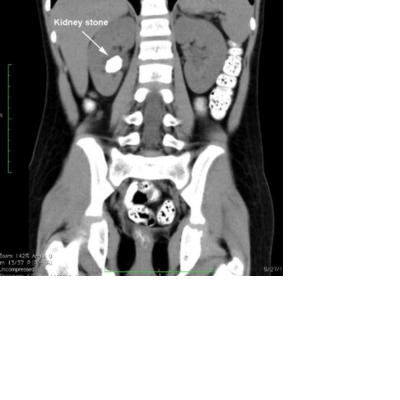
Get evaluation for kidney stone pain, blood in urine, recurrent stones, and scan-detected stones with treatment options such as URSL, RIRS, PCNL, Mini-PCNL, ECIRS, and prevention guidance.
Kidney stones are hard deposits made of minerals and salts that can form when urine becomes concentrated. Small stones may pass without surgery, but stones that cause severe pain, infection, blockage, or repeated symptoms need timely urology evaluation.
If you are searching for kidney stone treatment in Lucknow, Dr. Aditya P.S. Sengar can assess the stone size, location, symptoms, infection risk, and kidney function before recommending a suitable treatment plan.
Symptoms depend on the stone size and where it is located in the kidney, ureter, bladder, or urinary tract. Common kidney stone symptoms include:
Seek urgent medical help if stone pain is associated with fever, chills, vomiting, reduced urine, uncontrolled pain, or suspected infection. A stone with infection or obstruction can become serious.
Kidney stones may form when urine contains high levels of stone-forming minerals or when fluid intake is low. Risk factors include dehydration, high-salt diet, family history, obesity, recurrent urinary infection, digestive disorders, and some medicines or previous surgeries.
The right prevention plan depends on the stone type. Patients with recurrent stones may need urine tests, blood tests, imaging review, and stone analysis.
Not every stone needs the same treatment. After clinical examination and imaging, Dr. Sengar may recommend observation, medicine, endoscopic treatment, laser stone fragmentation, or surgery depending on the case.
A thin scope is passed through the urinary tract to see and treat stones in the ureter with minimal cutting.
A flexible scope reaches stones inside the kidney, often with laser fragmentation for suitable stones.
A keyhole procedure commonly used for larger or harder kidney stones that may not pass naturally.
A smaller-tract PCNL option selected for some kidney stones after imaging and clinical evaluation.
A combined endoscopic approach used for complex stone burden when a single route may not be enough.
A procedure for breaking and removing bladder stones when symptoms or obstruction require treatment.
A minimally invasive surgical option for selected large or complex renal pelvis stones.
A laparoscopic approach for selected ureteric stones that are large, impacted, or unsuitable for simpler options.
A kidney stone visit may include review of ultrasound, CT scan, X-ray, urine test, blood test, previous prescriptions, and current symptoms. For recurrent stones, prevention guidance may include hydration planning, salt reduction, diet review, and stone-type based advice.